Finding a Reliable Caregiver in Liberia When You Live Abroad
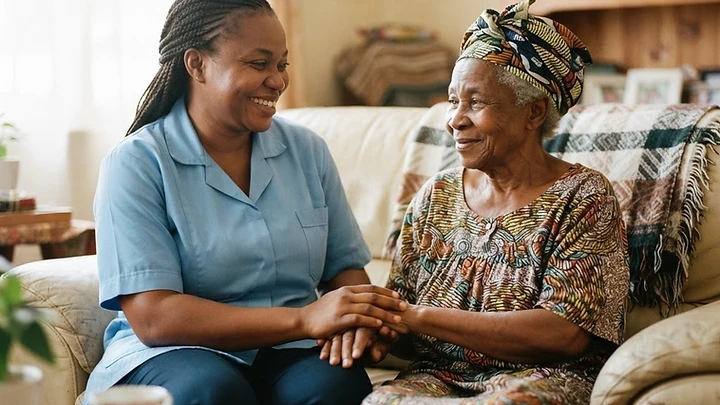
Living abroad and need a caregiver for a loved one in Liberia? Discover practical ways to find trustworthy care and gain peace of mind from a distance.
For many Liberian families living in the United States, Europe, or elsewhere in Africa, the hardest part of caring for an aging parent is not the paperwork or the money. It is the distance. You cannot see whether Mom ate lunch today, whether Dad took his blood pressure medication, or whether the person you are paying is patient and kind when nobody is watching.
Finding a reliable caregiver in Liberia is possible, but it takes more structure than a phone call to a cousin. Below is a practical process that diaspora families use to find trustworthy care, verify it, and keep peace of mind from thousands of miles away.
Start with an honest assessment of the care needed
Before you look for anyone, write down what a normal day actually requires. Families often overpay for companions when a parent needs nursing support, or underpay for what is really round-the-clock elderly care in Liberia.
Ask a relative or community health worker to help you answer:
- Can your parent bathe, dress, and use the bathroom without help?
- Is cooking, shopping, or cleaning still safe and manageable?
- Are medications being taken correctly and on time?
- Is there memory loss, confusion, or wandering?
- Has there been a recent hospital stay or fall?
The answers tell you whether you need a few hours of companionship a week, daily personal care, or live-in support. Agencies and experienced caregivers will ask you these same questions, and a clear answer makes the whole search faster.
Where to look for a caregiver in Liberia
There is no single national registry of caregivers, so most families combine several sources.
Family and community networks
Start with people who already know your family. A dependable niece, a long-time neighbor, or a respected member of your parent's church can be an excellent caregiver, especially when a relative can drop by unannounced. The strength of this route is trust; the weakness is accountability, because there is usually no supervisor and no written record.
Churches, mosques, and community elders
Pastors, imams, and elders in your parent's community often know who is honest, who is reliable, and who has cared for other elderly people in the area. This is one of the most effective ways of finding a caregiver in Liberia, because reputation is local and closely watched.
Clinics, hospitals, and community health workers
Nurses and community health workers see which families are well cared for and which aides do dependable work. Ask whether anyone on staff does home visits or can recommend a caregiver with practical experience in elderly care in Liberia, especially for conditions like hypertension, diabetes, or recovery after a stroke.
Professional home care agencies
An agency is the safest option when your parent has high needs or when nobody locally can supervise. A managed service usually vetts caregivers, provides replacement cover when someone is sick, keeps visit notes, and gives you one point of contact who reports to you. For families caregiving for family abroad, that reporting structure is often the difference between worry and confidence.
Questions that separate a good caregiver from a risky hire
Interview the candidate on a video call, even if a relative interviews them in person. Ask:
- Which elderly people have you cared for, and may I speak with their families?
- What would you do if my mother fell and could not get up?
- How do you remind someone to take medication, and how do you record it?
- What would you do if my father refused to eat or bathe?
- How do you handle a hospital visit or an emergency at night?
- Are you comfortable with me calling to check in at any time?
- What days will you be off, and who covers those days?
- How do you handle disagreements with family members?
Listen for specifics. Vague, flattering answers are a warning sign; calm, concrete answers about ordinary difficulties are a good one.
How to verify someone you have never met
- Confirm identity. Ask for a national ID or passport, and record the number and address.
- Call two previous families. Not references the candidate chooses at the last minute, but families from six months ago or earlier.
- Check the practical skills that matter. Ask the candidate to demonstrate how they would help someone stand safely or organize a week of pills.
- Use a paid trial period. Two weeks of supervised work, with daily check-ins from a relative, tells you more than any interview.
- Never send large sums in advance. Agree pay, then pay on a schedule you both understand.
Agree the arrangement in writing
Even a simple one-page agreement prevents most problems. It should cover duties, working hours, days off, monthly pay and how it is sent, transport and phone allowance, the emergency plan with names and hospital details, and rules about privacy and respectful treatment.
Mobile money through MTN MoMo or Orange Money is now the normal way families abroad pay caregivers in Liberia. Keep a record of every transfer and agree in advance that pay is never sent in cash to a third party.
Set up a reporting rhythm from abroad
Reliability grows from small, predictable habits:
- A short daily message: meals, medication, mood, sleep.
- A weekly video call you join yourself, not one the caregiver arranges and supervises.
- A shared notebook or photo log of medication and appointments.
- Occasional unannounced visits from a relative or a trusted neighbor.
- A monthly review where you look for patterns, not just good days.
Professional services make this easier because visit records, care notes, and incident reports are part of the service instead of something you have to build yourself.
Red flags to watch for
- The caregiver will not let you speak with your parent alone.
- Requests for money beyond the agreed pay, or pressure to change property or bank arrangements.
- Frequent unexplained absences, or someone else showing up in their place.
- Complaints from neighbors that nobody tells you about until much later.
- A relative who insists all communication must pass through them.
When professional home care is the safer choice
If your parent has dementia, limited mobility, a recent hospital stay, or lives alone without nearby family, a supervised care service is usually worth the cost. You get caregivers who have been checked and trained, backup when someone is unavailable, documented visits, incident reporting, and a team you can call at any hour.
Distance does not have to mean uncertainty. Whether you choose a trusted local caregiver or a managed home care service, the goal is the same: an arrangement where the care is consistent, the reporting is honest, and your parent is treated with dignity every day.
Share this article
https://familycareworkforce.com/caregiving-insight/finding-a-reliable-caregiver-in-liberia-when-you-live-abroad